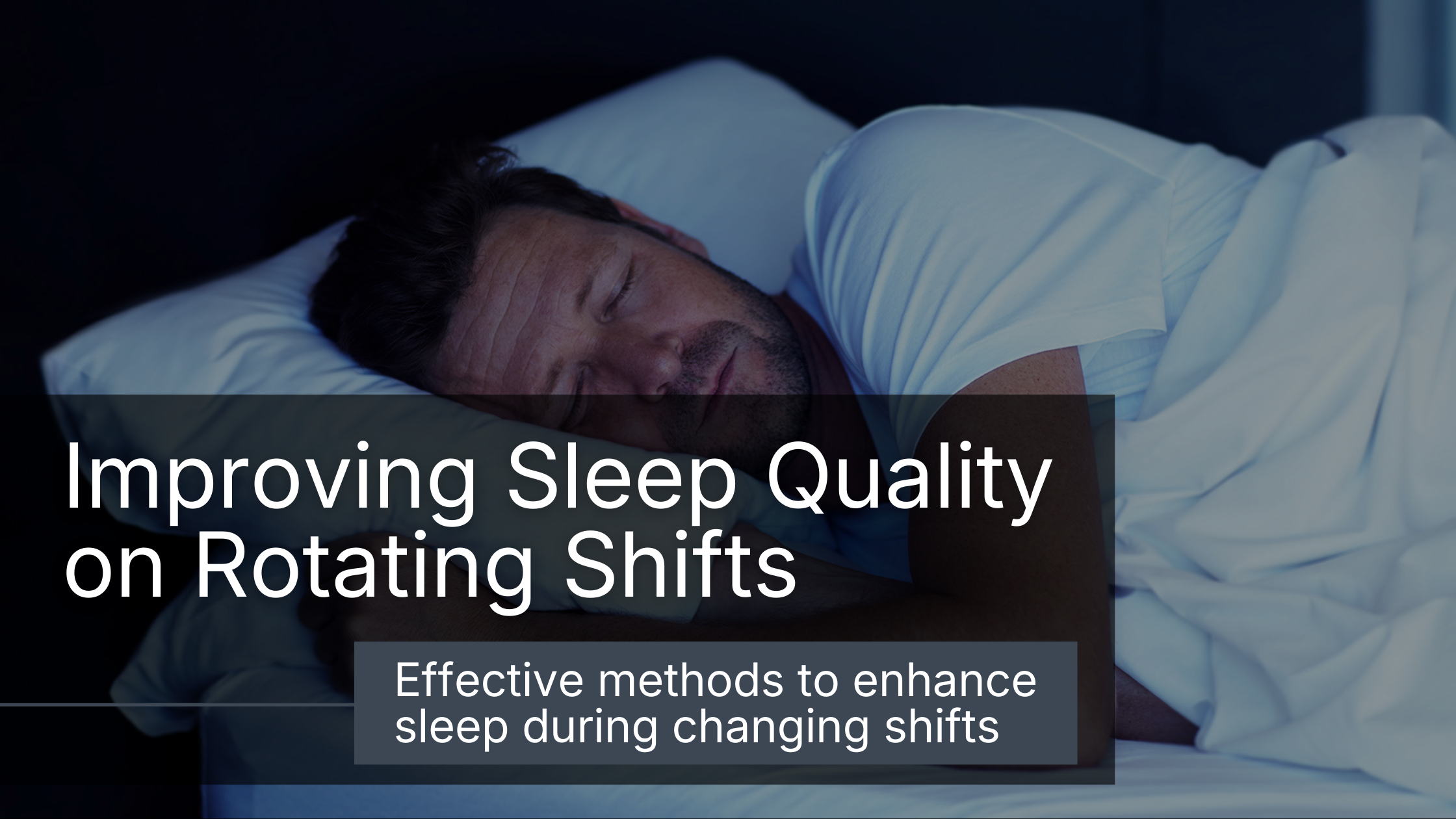
Rotating shifts present one of the greatest challenges to maintaining healthy sleep patterns. Your body never fully adapts to one schedule before it's time to switch again. However, with the right strategies, you can significantly improve your sleep quality even with a rotating schedule.
The foundation of good sleep on rotating shifts is creating a consistent sleep environment. Your bedroom should be completely dark—consider blackout curtains or a sleep mask. Keep the room cool (around 65-68°F or 18-20°C) and quiet. If noise is unavoidable, use earplugs or a white noise machine to mask disruptive sounds.
Timing your sleep strategically is crucial. After a night shift, try to sleep as soon as possible after getting home, ideally within an hour. This helps your body maintain some circadian rhythm. After a day shift, maintain a more traditional evening sleep schedule. The key is consistency within each shift type.
Light exposure management is another powerful tool. After night shifts, wear sunglasses on your way home to signal to your body that it's time to sleep. When you wake up, expose yourself to bright light to help reset your internal clock. Consider using a light therapy lamp, especially during the darker months.
Establish a pre-sleep routine that signals to your body that it's time to rest, regardless of what time of day you're sleeping. This might include reading, gentle stretching, or meditation. Avoid screens for at least 30 minutes before sleep, as the blue light can interfere with melatonin production.
Finally, be patient with yourself. It takes time for your body to adjust to shift changes. Give yourself grace during transition periods, and focus on what you can control: your sleep environment, your routine, and your commitment to prioritizing rest.