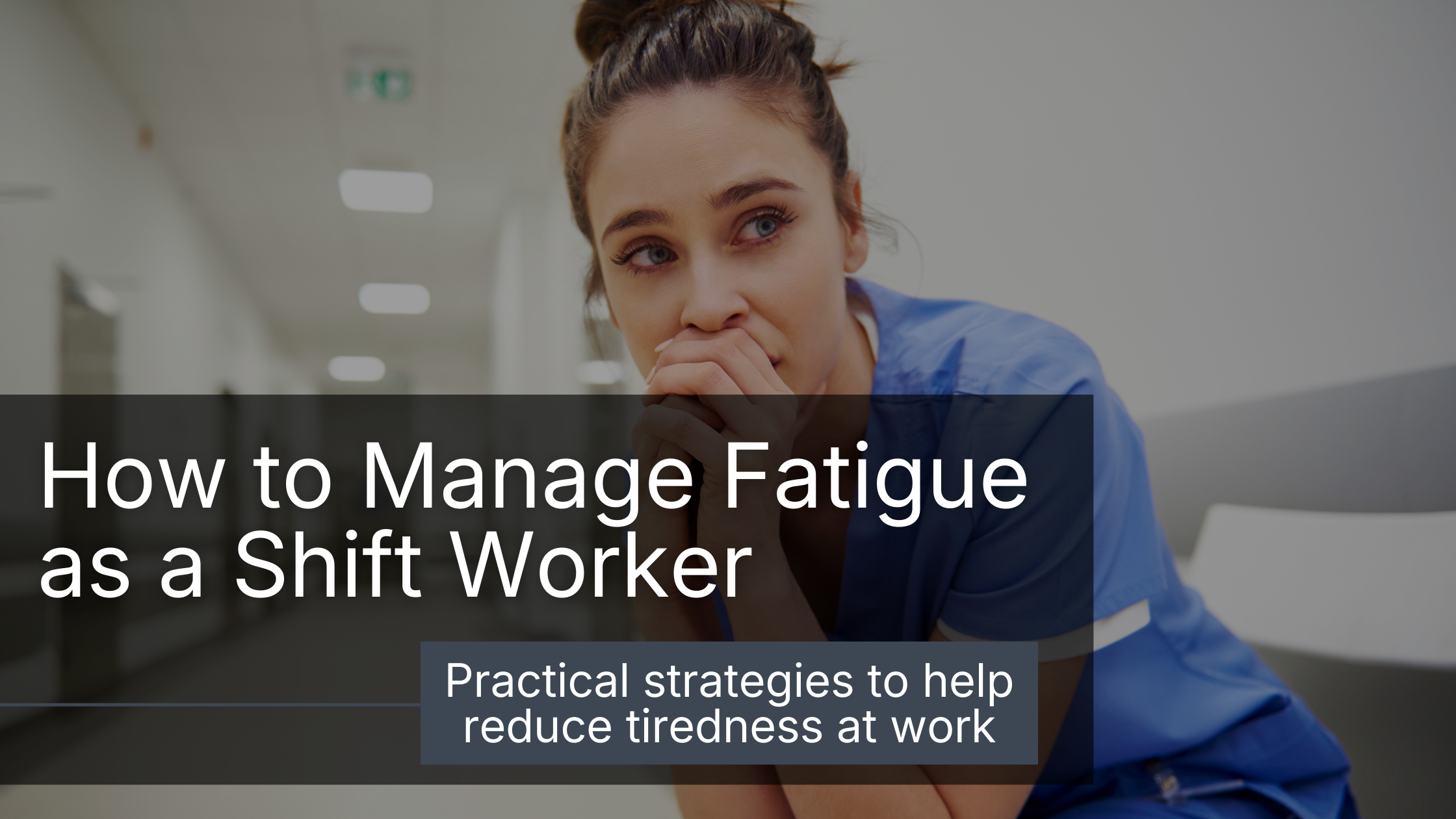
Shift work can be physically and mentally demanding, leading to significant fatigue that impacts both your work performance and personal life. Understanding how to manage this fatigue is crucial for maintaining your health and well-being.
One of the most effective strategies is to prioritize sleep quality over quantity. Even if you can't get a full 8 hours, ensuring your sleep environment is dark, quiet, and cool can dramatically improve the restorative value of your rest. Consider using blackout curtains, earplugs, or a white noise machine to create an optimal sleep environment.
Another key approach is strategic napping. Short power naps of 20-30 minutes can help recharge your energy without leaving you groggy. For night shift workers, a nap before your shift can be particularly beneficial in preparing your body for the night ahead.
Nutrition also plays a critical role in managing fatigue. Avoid heavy, greasy meals before or during your shift, as they can make you feel sluggish. Instead, opt for light, protein-rich snacks and meals that provide sustained energy. Stay hydrated throughout your shift, as dehydration can significantly contribute to feelings of tiredness.
Finally, consider your caffeine intake carefully. While caffeine can provide a temporary energy boost, consuming it too late in your shift can interfere with your ability to sleep when you get home. Establish a caffeine cutoff time that allows your body to wind down naturally.